
Institute of Plant Genetics
Polish Academy of Sciences
Polish Academy of Sciences

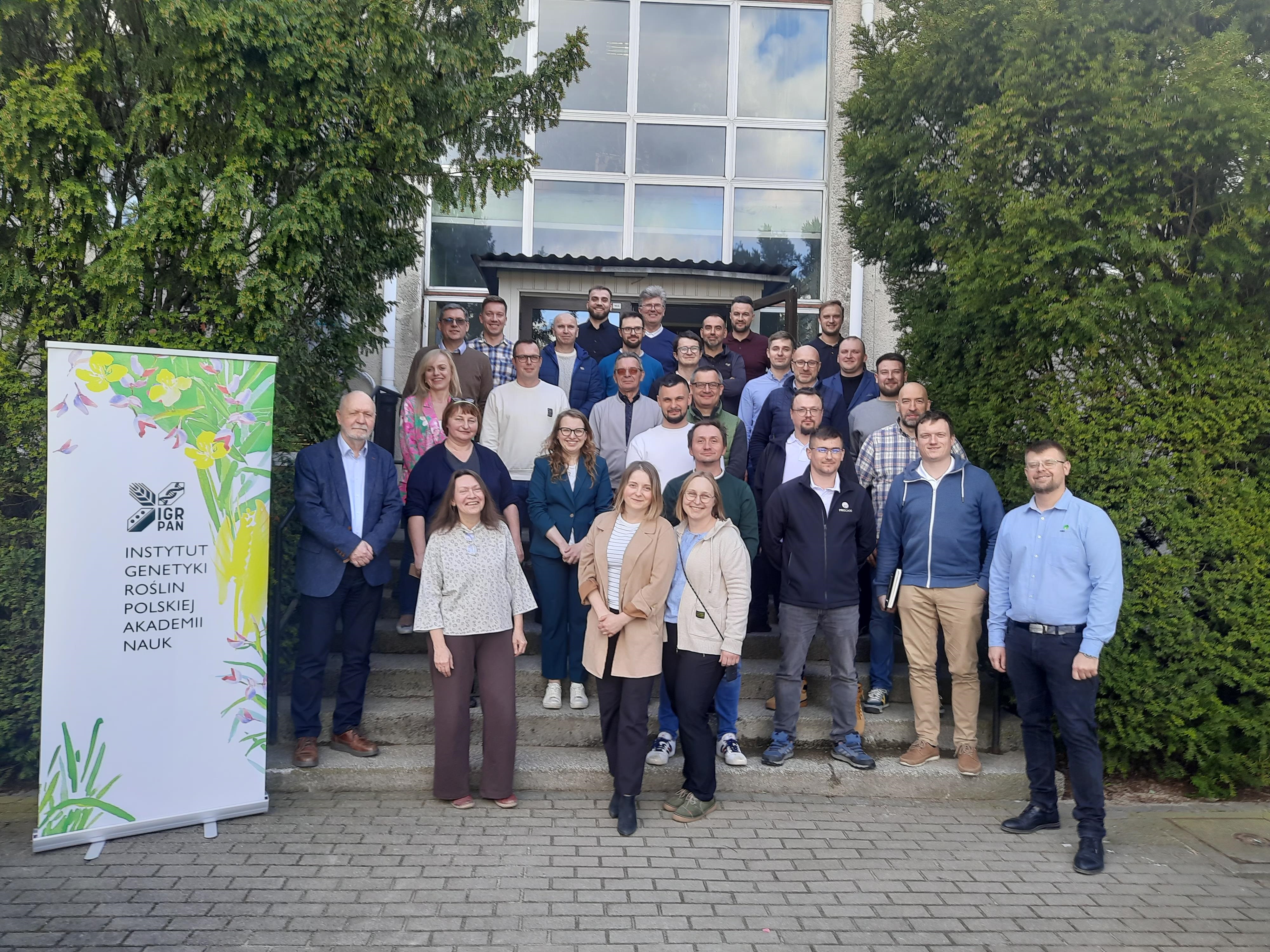
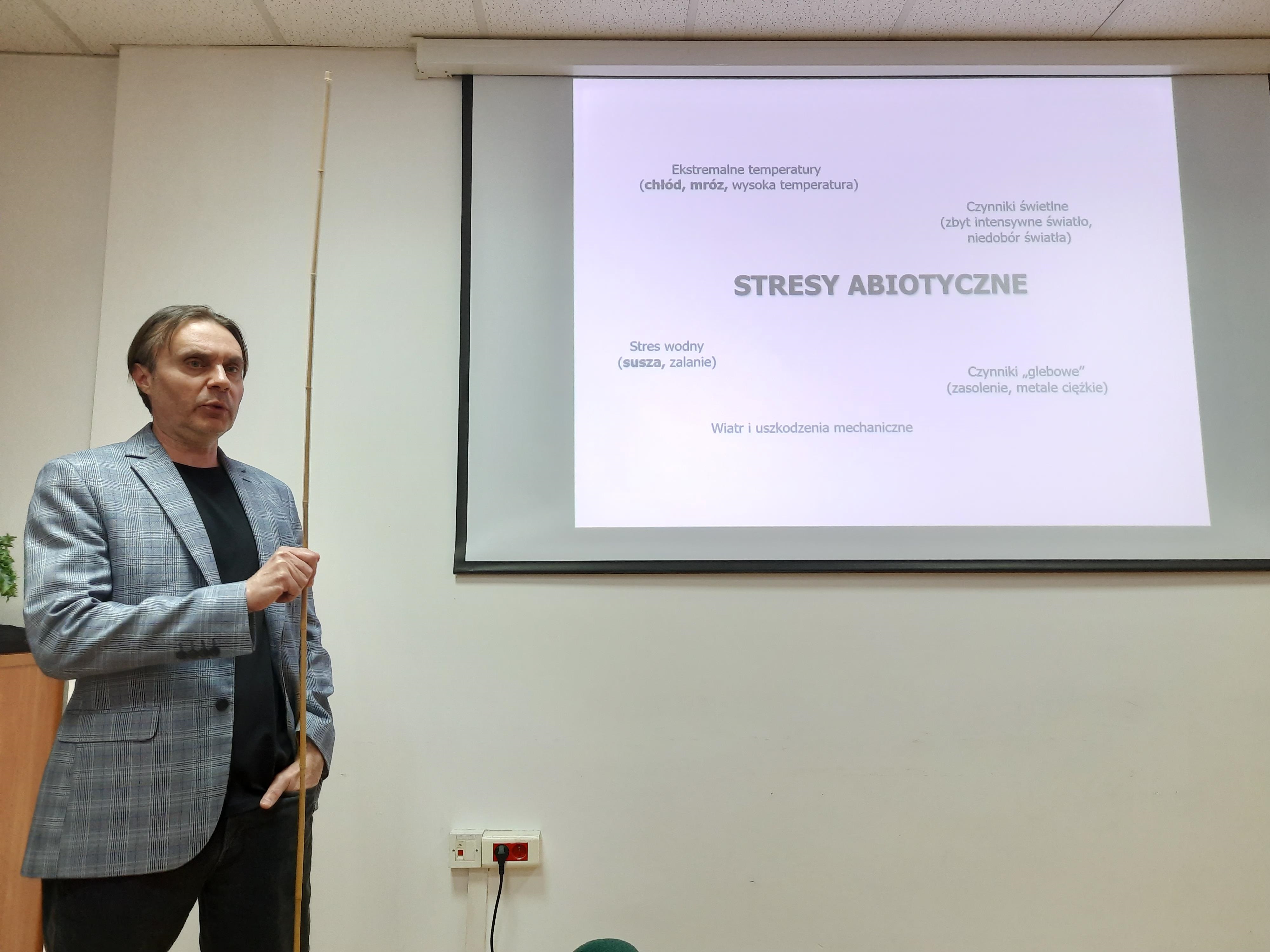
On 17 March 2026, a training session for specialists from R&D Department and advisors from PROCAM POLSKA (43 participants) was held at the headquarters of the Institute of Plant Genetics, Polish Academy of Sciences. The participants of the training were warmly welcomed by Prof. Paweł Krajewski, the Director of the Institute and Karolina Felczak-Konarska, M.Sc. ‒ the Research & Development Director of PROCAM POLSKA. During the training, the scope of research conducted at the Institute was presented by Prof. Arkadiusz Kosmala ‒ the Deputy Director for Scientific Affairs, along with a series of expert lectures. Prof. A. Kosmala discussed issues related to the mechanisms underlying plant responses to abiotic stresses. Prof. Małgorzata Jędryczka presented ways of applying aerobiological methods in plant protection and human health. Dr. Joanna Kaczmarek discussed the operation of a decision-support system for oilseed rape protection based on aerobiological techniques (System for Forecasting Disease Epidemics, SPEC) and outlined the most important other systems developed and recommended in Poland to support the protection of crop plants against diseases. Prof. M. Jędryczka presented information on the new PestSpace application being developed just now in the Baltic Sea Region; its functionalities, and possibilities for further development. The participants have filled in a questionnaire about their suggestions for the PestSpace app for mobile phones.
Furthermore, issues related to the etiology of diseases and their control were presented:
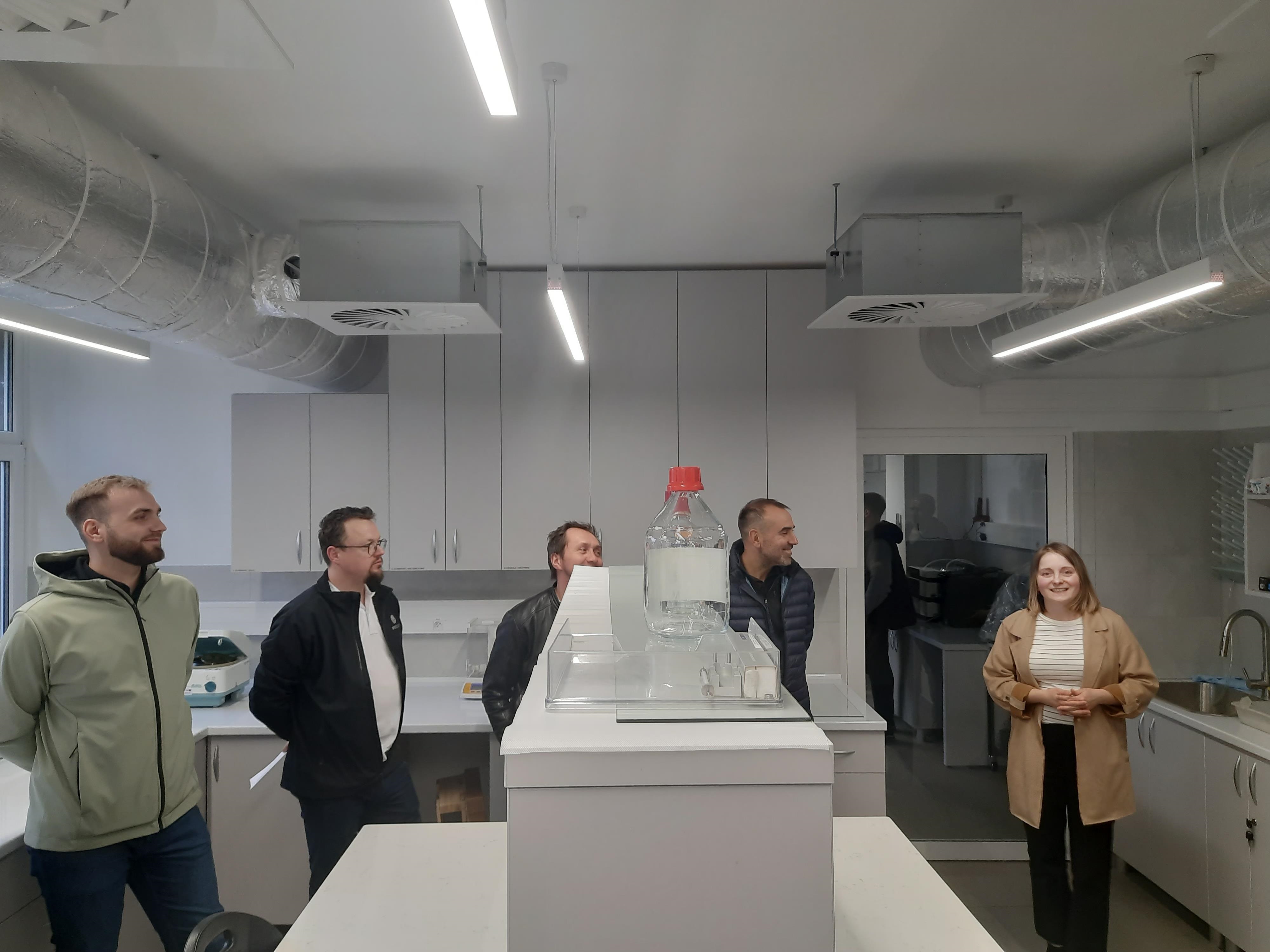
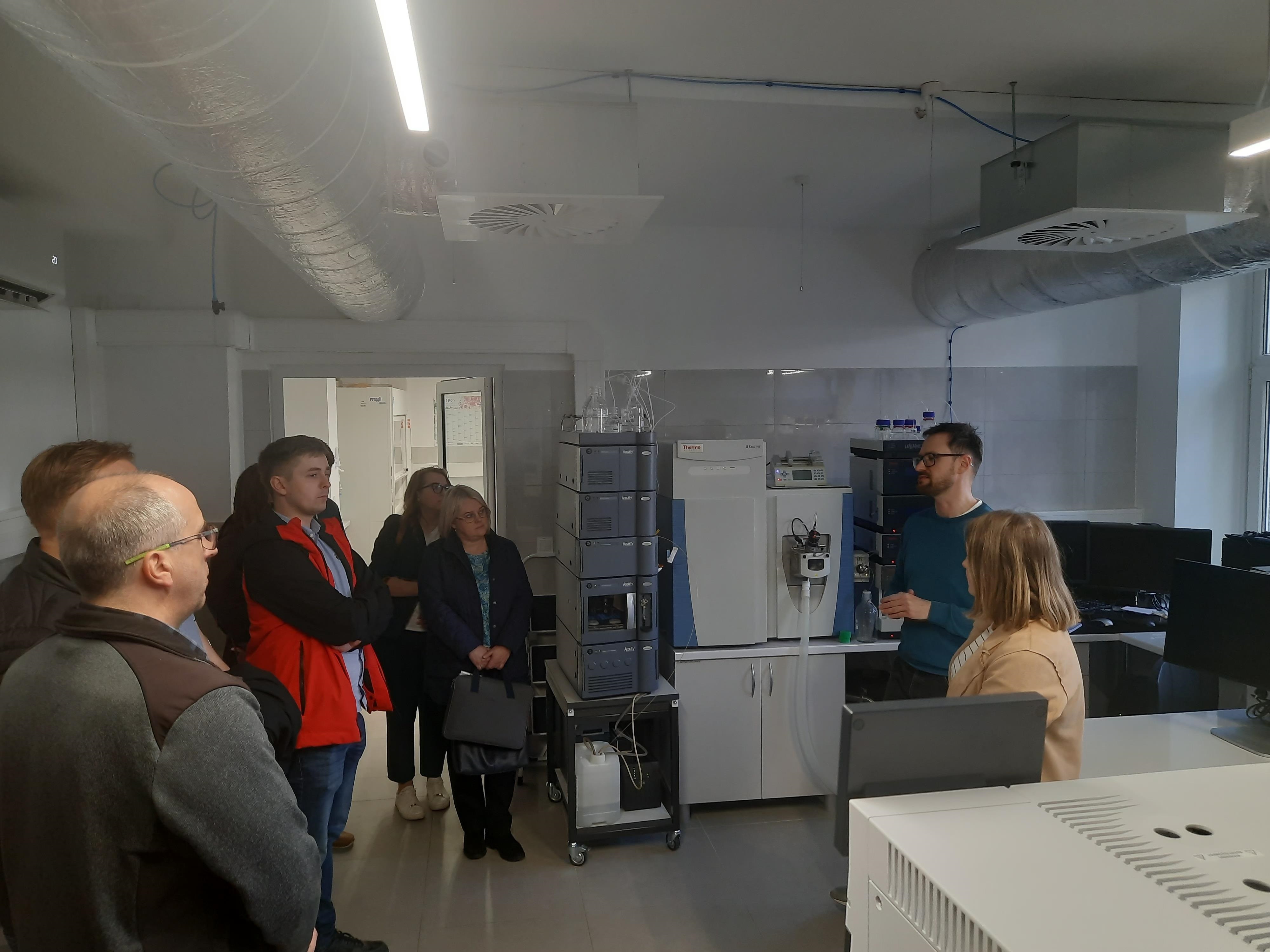
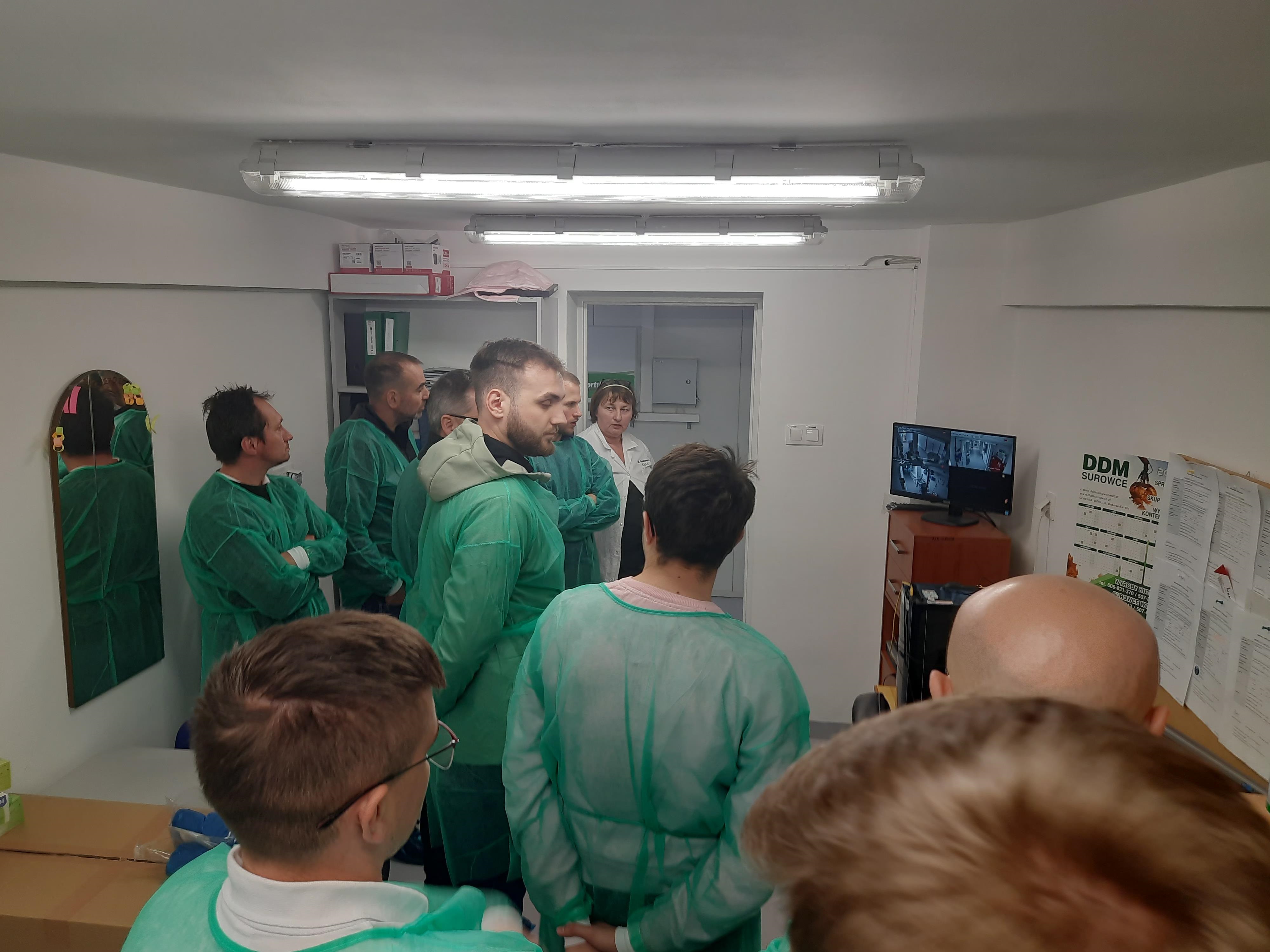
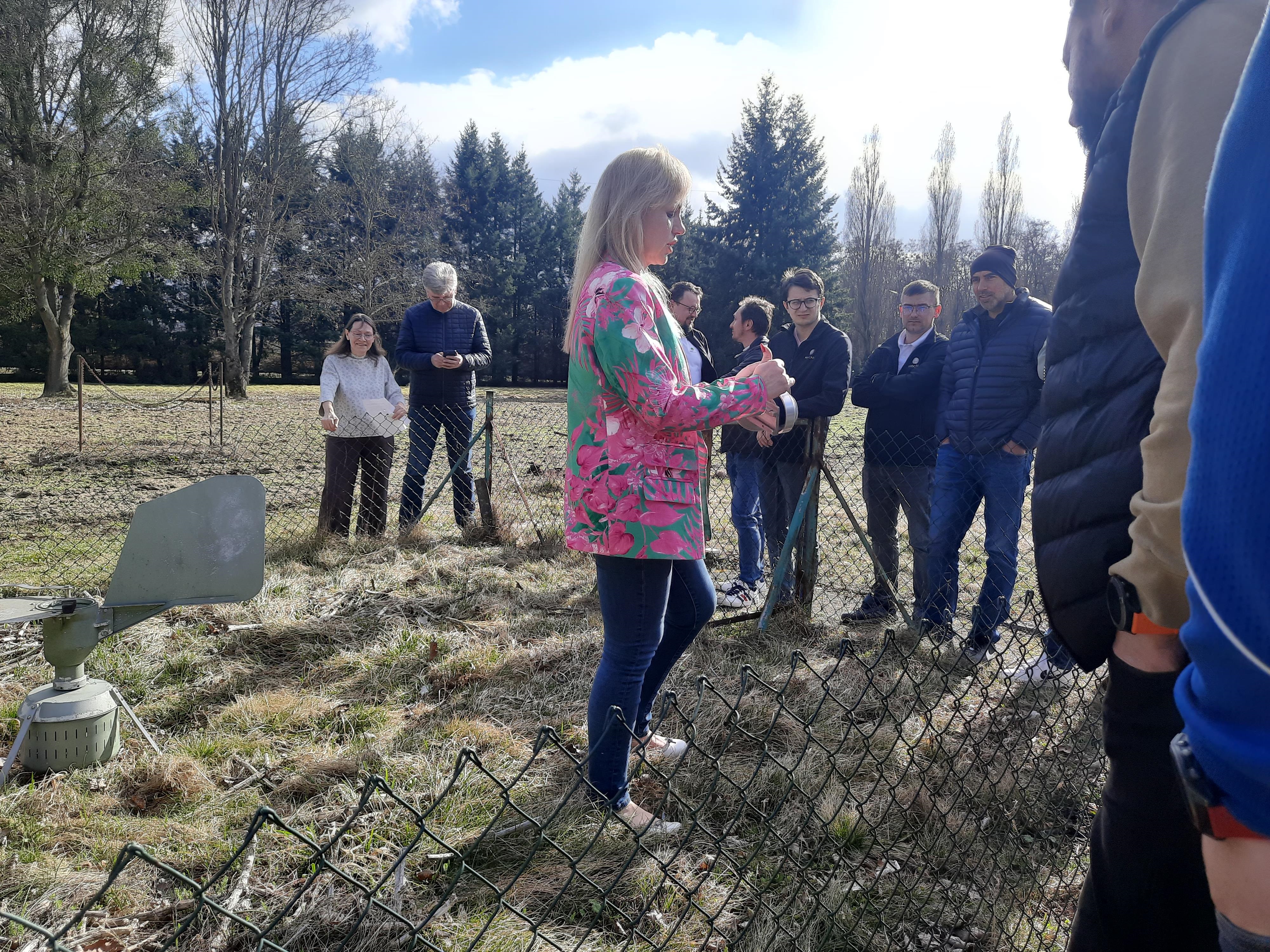
After the lectures, participants visited the Multiomics Laboratory, the Plant Cultivation Centre, and the Institute’s greenhouse. The operation of aerobiological equipment was also demonstrated using a Burkard trap. It is used at IPG PAS as a part of the SPEC system to monitor the concentration of spores of the fungi Plenodomus lingam and P. biglobosus, causing significant yield losses in oilseed rape.
The trained participants received certificates of attendance. Selected photographs from the training are presented below.












Copyright Institute of Plant Genetics of the Polish Academy of Sciences
